

Pelvic Girdle Pain During Pregnancy Treatment In Longmont, CO
Evidence-Informed, Non-Surgical Support
Content Reviewed By: Dr. Drew Illman, DC on October 13, 2026
Chiropractic License Number: 6511 (NPI: 1033434931 )
- Pelvic Girdle Pain During Pregnancy Care In Longmont
- What Is Pelvic Girdle Pain During Pregnancy?
- What Care For Pelvic Girdle Pain Can Help With
- When Pelvic Symptoms Require Urgent Obstetric Or Medical Care
- Related Conditions We Evaluate During Pregnancy And Postpartum
- Who May Be A Good Fit For Pelvic Girdle Pain Care
- How Left Hand Chiropractic Center Evaluates And Treats Pelvic Girdle Pain
- What To Expect At Your First Pelvic Girdle Pain Visit
- What Patients Say About Care During Pregnancy
- Related Services For Pregnancy And Postpartum Recovery
- Pelvic Girdle Pain Care For Longmont And Surrounding Communities
- Meet The Team Supporting Your Pregnancy Care
- Sources And Clinical References
- Frequently Asked Questions About Pelvic Girdle Pain During Pregnancy
Pelvic Girdle Pain During Pregnancy Care In Longmont
Pain over the back of the pelvis or the pubic bone that flares on stairs, when rolling over in bed, or when stepping out of the car is a distinct problem from ordinary back pain, and it responds to different care. Left Hand Chiropractic Center evaluates which structures are involved, how irritable they are, and whether gentle chiropractic care is appropriate at your stage of pregnancy. Symptoms that suggest an obstetric concern are directed to your OB or midwife first.
What Is Pelvic Girdle Pain During Pregnancy?
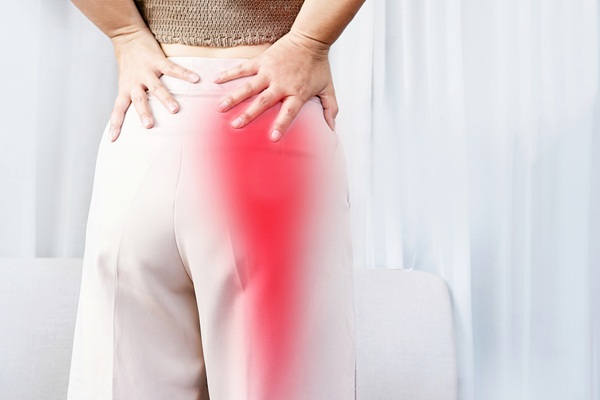
Pelvic girdle pain is pain around the sacroiliac joints, the back of the pelvis, or the pubic symphysis that develops when ligament laxity and increasing load allow those joints to move more than they used to. Relaxin and progesterone soften the supporting ligaments so the pelvis can accommodate birth, and the glutes, psoas, and deep hip muscles are left doing more of the work of controlling that motion. When one side is stiffer or more irritable than the other, the resulting asymmetric loading is what most patients feel as pain.
It is commonly mistaken for back pain. Low back pain during pregnancy sits higher in the lumbar spine and builds with prolonged standing or sitting. Pelvic girdle pain sits lower and is provoked by single-leg activities. Pain that travels down the back of the leg may be sciatica during pregnancy or referred pain from an irritated sacroiliac joint. The exam is what separates them.
Treatment is not a single technique. It begins with screening for symptoms that belong with your prenatal provider, then evaluates joint irritability, movement, muscular control, and the specific activities provoking your symptoms. Care may include gentle pregnancy-adapted adjusting, soft tissue work, load management, a fitted pelvic support belt, and progressive strengthening, selected according to what your examination supports.

What Care For Pelvic Girdle Pain Can Help With
Symptom Management. Gentle, pregnancy-adapted care may help selected patients manage sacroiliac, pubic, and hip pain. The first step is determining whether the symptoms are musculoskeletal or require obstetric evaluation.
Turning Over And Sleeping. Rolling over in bed is one of the most reliable flare points in pelvic girdle pain. Positioning strategies, including keeping the knees together when turning and using a pillow between the legs, are addressed early.
Single-Leg Activities. Stairs, stepping into a car, and getting dressed standing up all load one side of the pelvis at a time. Care and activity modification aim to make those movements tolerable again.
Support And Fit. A pelvic support belt helps some patients and does nothing for others. When one is appropriate, we fit it to you and show you where it should sit and when to wear it.
Rebuilt Control Around The Pelvis. Pain relief alone tends to be short-lived here because the underlying issue is control rather than stiffness. Progressive strengthening for the hips, glutes, deep abdominals, and pelvic floor is part of the plan.
Coordination And Co-Management. Care sits alongside your obstetric care. When pelvic floor symptoms are part of the picture, we frequently co-manage with a pelvic floor physical therapist.

When Pelvic Symptoms Require Urgent Obstetric Or Medical Care
Some pelvic symptoms during pregnancy belong with your obstetric provider before anyone else. Contact them or seek emergency care right away if you have:
- Vaginal bleeding or any fluid leakage
- Regular contractions, cramping, or rhythmic pelvic pressure before 37 weeks
- Severe or sudden headache, vision changes, upper abdominal pain, or sudden swelling of the face and hands
- A noticeable decrease in fetal movement
- Fever, chills, or pain with urination
- Severe or sudden abdominal pain
- New numbness in the groin or inner thighs, loss of bladder or bowel control, or progressive weakness in the legs
- Any pain following a fall, car accident, or direct trauma to the abdomen
- Calf pain, swelling, warmth, or redness in one leg
Rhythmic pelvic pressure is the symptom patients most often mistake for a mechanical problem. Pelvic girdle pain is provoked by position and movement. Contractions come and go on their own timing. If you are unsure which one you are feeling, call your prenatal provider first.
Related Conditions We Evaluate During Pregnancy And Postpartum



Who May Be A Good Fit For Pelvic Girdle Pain Care
Care may be considered for patients who do not have obstetric red flags and are dealing with pain over the sacroiliac joints, the back of the pelvis, or the pubic bone, particularly when single-leg activities and turning in bed have become difficult. Symptoms often increase as pregnancy progresses.
An evaluation may be appropriate when:
- You have one-sided pain over the back of the pelvis that is worse on stairs.
- Pubic bone pain, including grinding or clicking, appears when walking or separating your legs.
- Rolling over in bed has become something you dread.
- You had pelvic girdle pain in a previous pregnancy and want to get ahead of it.
- You were told to wait it out and would prefer a conservative plan.
- Pelvic pain has not settled on its own after delivery.
We may refer you back to your prenatal provider or to another practitioner when the symptoms or history fall outside what chiropractic care should be treating.
How Left Hand Chiropractic Center Evaluates And Treats Pelvic Girdle Pain
Care begins with screening, not treatment. We review your stage of pregnancy, your obstetric history, any complications, how the pain behaves, and which movements provoke it, then perform an examination suited to your tolerance. The plan is coordinated with your OB or midwife and adjusted as pregnancy progresses.
Pregnancy History And Safety Screening
We ask about your due date, your prenatal provider, complications in this or previous pregnancies, prior pelvic pain or trauma, and whether any of the urgent symptoms above are present. We also ask about your birth plan, including whether you are planning a home or hospital delivery.
Locating The Pain And Testing Provocation
Pelvic girdle pain is identified largely by where it sits and what provokes it. We assess sacroiliac and pubic symphysis irritability, hip and lumbar movement, muscular control, and the single-leg activities that reproduce your symptoms, using positions you can tolerate. You stay fully dressed.
Gentle, Pregnancy-Adapted Treatment
When appropriate, care may include gentle adjusting to the sacrum and pelvis using side-lying positioning, drop table, or low-force instrument techniques, paired with soft tissue work to the glutes, psoas, and adductors. Dosage is deliberate, because irritable pelvic joints respond poorly to aggressive work.
The Webster Technique, Described Honestly
The Webster Technique is a specific assessment and gentle adjustment of the sacrum and pelvis combined with soft tissue work to the round ligament and associated structures. We use it as a comfort and biomechanics intervention aimed at pelvic balance and mobility, and we are careful not to claim more than that. Dr. Christine Illman is Webster Technique certified and has completed additional prenatal and pediatric training through the International Chiropractic Pediatric Association.
Load Management, Support, And A Home Program
How you turn in bed, get out of the car, and dress often changes symptoms faster than anything done in the office. If a pelvic support belt is appropriate, we fit it and show you how to wear it. The home program stays short and realistic, and progresses toward strengthening as symptoms settle.
Progress Reviews And Referral
Follow-up visits track pain location, provocation, movement, sleep, and activity tolerance. A lack of expected progress, new neurological symptoms, or any obstetric concern may change the plan or prompt coordination with your prenatal provider or a pelvic floor physical therapist.
Adjunct Technology And Why It Usually Waits
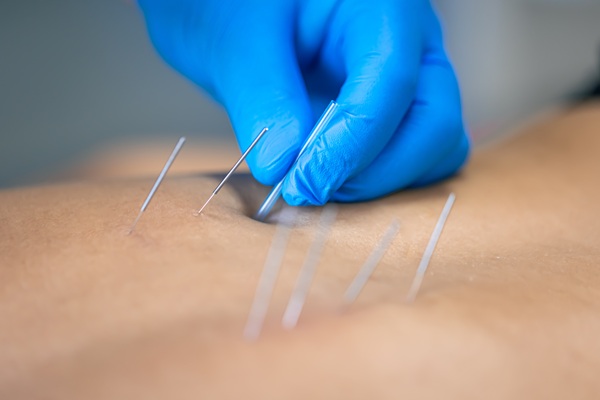
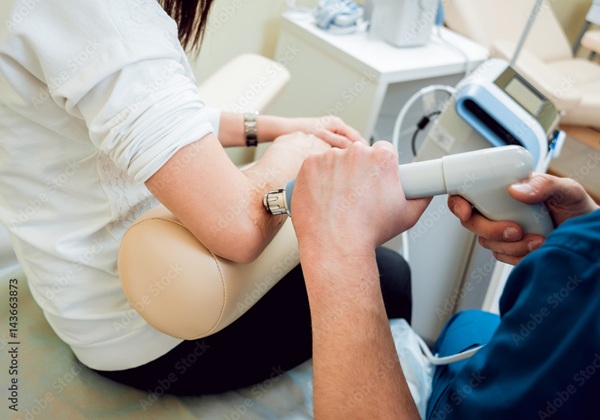
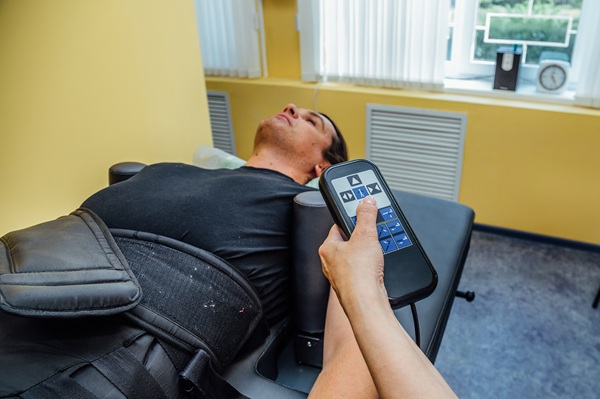
Left Hand Chiropractic Center offers spinal decompression, shockwave therapy, cold laser therapy, and dry needling, and during pregnancy these are generally not used. Decompression and shockwave are not appropriate during pregnancy, and cold laser and dry needling are restricted or avoided depending on the region and your stage. They may become options during postpartum recovery once you have been cleared by your provider and only if your exam findings call for them.
What To Expect At Your First Pelvic Girdle Pain Visit
Bring your due date, your prenatal provider details, any complications you have been told about, and any support belt you already own so we can check the fit. No referral is needed to book.


Step 1: Welcome And Fit Check.
Your doctor meets you in the lobby and walks you back. The first several minutes are a conversation to confirm we are the right clinic for what you need. If we are not, you leave with the contact information for who you should see instead.


Step 2: History And Screening.
You describe exactly where the pain sits, what provokes it, and how it has changed as pregnancy has progressed. We screen for the urgent symptoms that belong with your OB or midwife first.


Step 3: Examination.
If we are confident we can help, we move into an exam in the same room and you stay fully dressed. Testing is adapted to your stage, your positioning tolerance, and how irritable the joints are.


Step 4: Findings And Recommendations.
We explain what we found in plain language, whether conservative care is appropriate, and what the plan looks like. If an adjustment is appropriate that day, we use a gentle approach and a position that works for you.


Step 5: Support, Home Plan, And Scheduling.
You leave with positioning changes, a short home program, and a fitted support belt if one is indicated. Our team helps schedule your next visit so you know exactly what happens next.
What Patients Say About Care During Pregnancy


Related Services For Pregnancy And Postpartum Recovery
Most pelvic girdle pain care during pregnancy is gentle manual care, load management, and a home program. Additional services are considered only when the examination supports them and, in several cases, only after delivery and provider clearance.

Pelvic Girdle Pain Care For Longmont And Surrounding Communities
Left Hand Chiropractic Center has served Longmont since 2010 and regularly sees patients from Firestone, Frederick, Niwot, Gunbarrel, Hygiene, Lyons, Mead, Boulder, and the surrounding communities.
Meet The Team Supporting Your Pregnancy Care

Dr. Christine Illman, DC | Chiropractor & Co-Owner
Dr. Christine is known for her focused, supportive care for pregnancy, postpartum, and pediatric chiropractic, with advanced training that helps moms and kids feel more comfortable and more confident in their bodies. She is Webster Technique certified and has completed additional pediatric and prenatal training through the International Chiropractic Pediatric Association (ICPA). Dr. Christine also specializes in working with neck pain, headaches, and migraines, and brings a calm, capable energy to every visit

Dr. Drew Illman, DC | Chiropractor & Co-Owner
Dr. Drew blends traditional chiropractic with a whole-body approach that supports both performance and long-term health. He works closely with athletes of all levels, including professional cyclists and world champions, and he is widely known for his expertise in Endonasal Balloon Therapy, supported by ongoing learning and collaboration with global practitioners. He also integrates functional medicine thinking when appropriate, aiming to understand root causes and support stronger systems, not just short-term symptom relief.

Dr. Pat Larabee, DC | Chiropractor
Dr. Patrick Larabee brings over 30 years of experience in chiropractic care and more than two decades as a Professor of Anatomy & Physiology. His career has been deeply rooted in health, fitness, and human performance—first as an athlete and coach, and later as a trusted mentor to patient athletes of all ages and levels. Dr. Larabee has played a key role in helping patients and athletes build strong foundations for pain free movement and life. His approach blends deep anatomical & physiological knowledge with real-world chiropractic & athletic experience. A USA Cycling Level 1 Coach and two-time Masters National Track Cycling Champion, Dr. Larabee has competed across a wide range of sports including volleyball, track and field, powerlifting, bodybuilding, and cycling. He continues to compete at the national and world level in track cycling, bringing current, high-performance insight to every patient & athlete he works with.

Renee | Office Manager
With a background in healthcare office management and surgical coordination, Renee brings a caring and personal approach to her role as Office Manager. She truly enjoys getting to know each patient and building meaningful relationships along the way. Renee is passionate about creating a welcoming environment where patients feel heard, cared for, and confident that they are in good hands.

Erin | Front Desk Administrator
Erin manages the front desk at the clinic and is often the first friendly face you will be greeted by. She oversees the schedule, answers phone calls and emails, and ensures our clients are taken care of. With a Bachelor's degree in Human Environmental Science and a minor in Food and Nutrition, Erin has spent the last 10 years working in the fitness and health industry. Aside from her front desk duties, she will be assisting patients with their rehab exercises to help them get the most out of their treatments. Her passion lies in health and wellness and she believes that caring for the body is one of the best investments people can make for their overall quality of life.
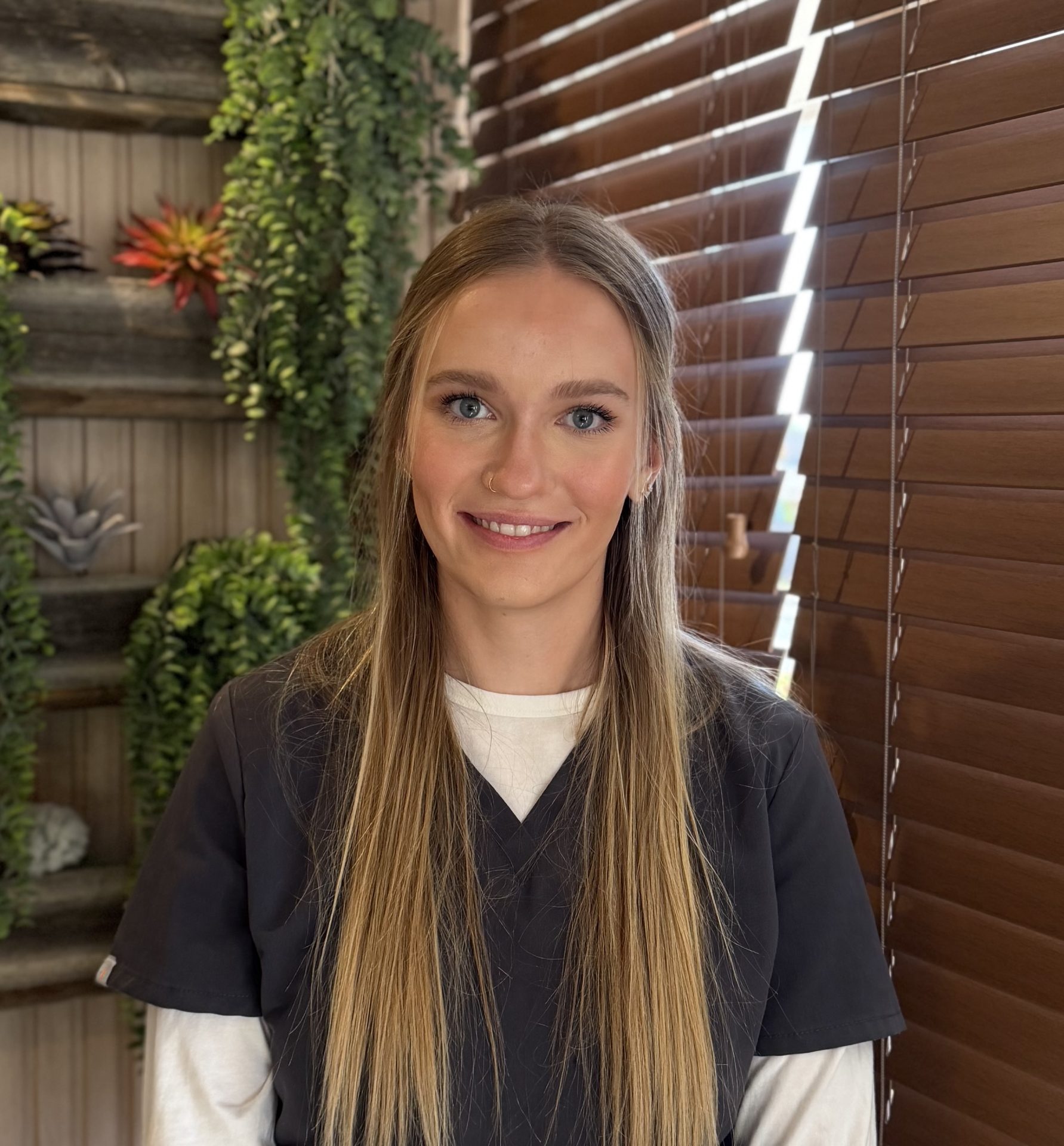
Emma | Chiropractic Technician
Emma is our chiropractic assistant at the clinic. She is currently pursuing her bachelor's degree in Human Development and Family Studies with a minor in Exercise Science at Colorado State University, with plans to become a pediatric occupational therapist. Emma has a passion for healthcare and helping others feel their best, and she enjoys building relationships with patients and being part of their journey toward better health.

Doza | Director of Pawsitive Vibes
Meet our mini Goldendoodle, Doza. Hypoallergenic and endlessly friendly, Doza helps patients feel at ease with her calm presence, happy greetings, and impeccable listening skills.
Sources And Clinical References
These references support the page description of pelvic girdle pain, the conservative care options described, the honest description of the Webster Technique, and the obstetric pathway for breech presentation. Clinical decisions remain specific to the patient, the pregnancy, and the examination findings.
Source: Vleeming A, Albert HB, Ostgaard HC, Sturesson B, Stuge B. European guidelines for the diagnosis and treatment of pelvic girdle pain. European Spine Journal, 2008. Supports: Definition of pelvic girdle pain, its distinction from lumbar pain, and provocation-based assessment.
Source: Liddle SD, Pennick V. Interventions for preventing and treating low-back and pelvic pain during pregnancy. Cochrane Database of Systematic Reviews, 2015. Supports: Conservative care context, including evidence that multi-modal care combining manual therapy, exercise, and education may reduce pain and disability.
Source: Weis CA, Stuber K, Murnaghan K, Wynd S. Adverse events from spinal manipulations in the pregnant and postpartum periods: a systematic review and update. Journal of the Canadian Chiropractic Association, 2021. Supports: Safety context for manual care during pregnancy and postpartum, and the rationale for screening and technique selection.
Source: Pistolese RA. The Webster Technique: a chiropractic technique with obstetric implications. Journal of Manipulative and Physiological Therapeutics, 2002. Supports: Description of the technique and the limited nature of the published evidence regarding fetal presentation.
Source: American College of Obstetricians and Gynecologists. External Cephalic Version. Practice Bulletin No. 221, 2020. Supports: External cephalic version performed by an obstetric provider as the recommended medical approach for persistent breech presentation at term.
Source: Colorado Department of Regulatory Agencies, Colorado Board of Chiropractic Examiners. Practice act and scope of practice. Supports: Scope-of-practice boundaries and referral obligations for chiropractors licensed in Colorado.
Evidence limit: The Webster Technique evidence base consists largely of a low-response-rate practitioner survey rather than controlled trials, and most breech presentations earlier in pregnancy resolve without intervention. These sources do not establish that chiropractic care changes fetal position, shortens labor, or is appropriate for every pelvic pain presentation.
Frequently Asked Questions About Pelvic Girdle Pain During Pregnancy
Transparency builds trust — we’re here to help you understand your care before, during, and after treatment.
Content Reviewed By: Dr. Drew Illman, DC on October 13, 2026
Chiropractic License Number: 6511 (NPI: 1033434931 )
Back Pain and Pregnancy Travel: Staying Comfortable on Long Drives and Flights from Longmont
Holiday travel season often means hours in a car seat or an airplane seat, and that can be a lot to....What Is the Webster Technique? A Guide for Longmont Moms
With the busy holiday stretch approaching, many expecting moms in Longmont are looking for gentle w....Book A Pregnancy Back Pain Evaluation In Longmont
An evaluation can determine where your pelvic pain is coming from, how irritable the joints are, and whether gentle conservative care is appropriate at your stage. Book with Left Hand Chiropractic Center to review your history, test what provokes your symptoms, and leave with a clear recommendation.