

Sports Injury Treatment in Longmont, CO
Sports injury care that’s clear, practical, and built around your goals, not guesswork. We help athletes and active humans get out of the “it’ll probably go away” phase and back to training, work, and weekends with more confidence and less strain.
Content Reviewed By: Dr. Drew Illman, DC on September 25, 2026
Chiropractic License Number: 6511 (NPI: 1033434931 )
Sports Injuries Are Not Just “Part Of The Game”
Athletic injuries can happen in one moment (a bad landing, an awkward twist) or slowly over time (repetitive stress, mileage, overuse). They can also be brand new (something that popped up this week) or old and familiar (that “same spot” that flares up every time you increase training). Common examples include sprains, strains, tendon irritation, joint pain, and nagging movement issues that keep returning.
If you’re a cyclist, both types are common. Sometimes it’s a fresh strain after a hard climb or a long ride. Other times it’s an old knee, hip, or low back issue that only shows up when mileage ramps or you start riding more aggressively. Hours in a fixed position can quietly load the same tissues again and again, especially when your bike fit, mobility, or strength is slightly off. That’s how riders end up with issues like:
- Neck and upper back tightness from extended time in the drops or looking up on climbs
- Low back pain from sustained hip flexion and fatigue in your core and glutes
- Hip flexor and glute irritation that makes you feel “stuck” after longer rides
- Knee pain (front of knee, outside knee, under kneecap) tied to tracking issues, saddle height, cleat position, or overuse
- Achilles or calf tightness after ramping mileage or increasing hill work
- Numb hands or tingling from wrist pressure, shoulder tension, or nerve irritation
- Saddle discomfort that can be linked to pelvic mechanics and positioning, not just the seat itself
The tricky part is this: two people can feel pain in the same area for totally different reasons. That’s why our approach starts with figuring out what’s driving the problem, then building a plan that actually fits your sport, your body, and your timeline.
At Left Hand Chiropractic Center, our team has spent years treating sports injuries and supporting athletes at every level, from serious competitors to “I play on weekends and my knees hate me” types. For cyclists, that means we look beyond symptoms, whether you’re dealing with a fresh flare-up or a long-standing issue. We assess movement, mobility, and patterns that show up on the bike, then target what’s limiting you so you can ride stronger, recover faster, and stop dealing with the same problem every training block.

Get Back To Your Sport, Without Rushing Your Recovery
If you’re dealing with an athletic injury, you might be feeling any mix of: frustrated, anxious, skeptical (especially if you’ve tried other things), or just tired of compensating. That emotional side matters, and we take it seriously.
Here’s what we focus on, with you:
- Relief that makes sense (not random treatment)
- Better movement and stability so the injury stops looping back
Return-to-sport decisions that are smart because coming back too early is how people collect injuries like souvenirs
We serve Longmont, plus nearby communities including Firestone, Frederick, Niwot, Gunbarrel, Hygiene, Lyons, Mead, and Boulder, and we regularly see active patients across this whole area.
Heads up: some injuries need urgent evaluation. If you cannot bear weight, have severe swelling/bruising, your pain is worsening, the joint feels unstable or numb, or you suspect a fracture, get medical help promptly.
And if you took a hit to the head and suspect a concussion, return-to-play should follow medical guidance.
What Our Patients Are Saying


Clear steps. No mystery. No chaos.
From the moment you walk in, you’ll feel welcomed, supported, and confident in your care and understanding of the process.


Arrive and Get Settled
You’ll walk into a bright, energetic space, get greeted by our front desk team, and we’ll offer sparkling water and a quality snack while you get comfortable.


Prepare for Your Assessment
At your appointment time, your doctor will meet you in the lobby, introduce themselves and walk you back to an adjusting room. We start by explaining exactly what to expect during your appointment. The first 10 minutes of the conversation are simply to confirm you qualify for our care and that we’re the right clinic for what you need. If we’re not, we’ll give you the contact information for exactly who you need to see.


Assessment and Exam
You’ll share what’s bringing you in, and we’ll ask thorough questions to get closer to a clear direction. If we’re confident we can help, we’ll move into an exam right there in the same room, and you stay fully dressed.


Next Steps, Clearly Explained
Based on what we find, we may provide an adjustment that day if it’s safe and appropriate, or refer you out for X-rays if needed. Either way, you’ll leave understanding what’s going on and what we recommend.


Schedule and Support
Your doctor will walk you back to the front, say goodbye, and our team will help schedule your next visit so you know exactly what happens next.

What Outcomes Can Look Like:
- Less pain and irritation
- Better mechanics and range of motion
- Improved stability and confidence under load
- A plan for returning to training that’s realistic and sustainable
How We Support Sports Injury Recovery
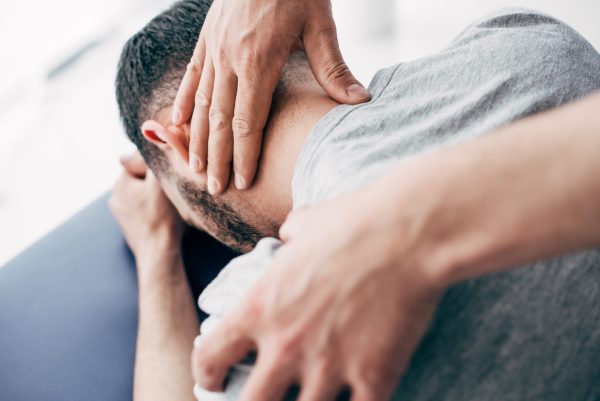
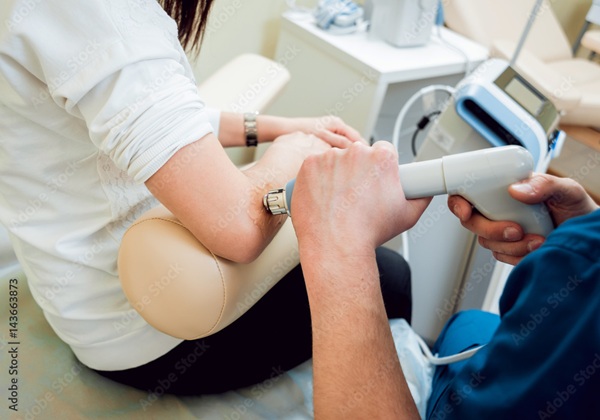
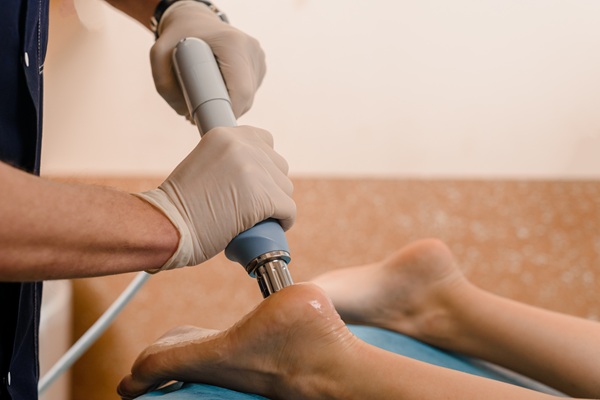
Sports injuries are personal. They affect your training, your mood, your routines, and your confidence in your own body. Our team takes a practical, athlete-aware approach: we listen closely, assess thoroughly, explain what we’re seeing, and build a plan that fits your sport and your goals. And if your case needs additional support, we have a broad network of practitioners we work with, so you’re not stuck figuring it out alone.

Dr. Drew Illman, DC Chiropractor & Co-Owner
Dr. Drew blends evidence-informed chiropractic care with a sports-focused, whole-body approach that supports performance and long-term health. With a personal background in collegiate soccer and competitive cycling (including racing with the Indiana University cycling team), he understands what it takes to stay durable through endurance training and high-demand field sports like football, where cutting, contact, and repeat impact can add up fast.
His sports medicine training has helped him work with athletes across the spectrum, from weekend warriors to elite competitors, including Ironman triathletes and world tour professional cyclists.
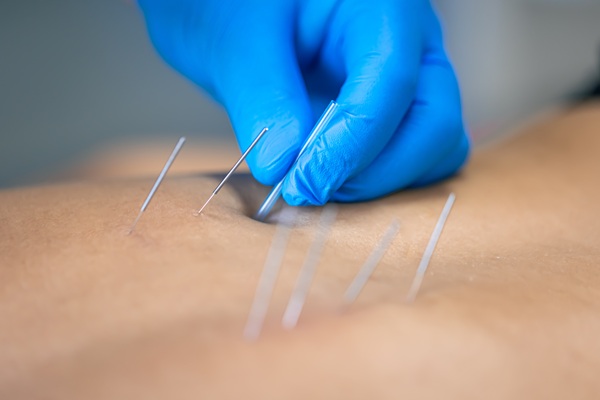
Depending on the case, care may include chiropractic adjustments, movement and muscle testing, soft-tissue techniques like Graston, functional dry needling, rehab guidance, and when appropriate, functional medicine thinking to help address underlying drivers, not just short-term symptoms.
Common Questions We Hear Every Week
Transparency builds trust — we’re here to help you understand your care before, during, and after treatment.
Content Reviewed By: Dr. Drew Illman, DC on September 25, 2026
Chiropractic License Number: 6511 (NPI: 1033434931 )
When Should You See a Chiropractor During Pregnancy?
Pregnancy comes with a long list of new sensations, and it is not always obvious which aches call f....Why Does Lower Back Pain Happen During Pregnancy?
If your lower back has started aching now that you are expecting, you are in very good company. Bac....Not sure what kind of care you need?
Start with the Left Hand Method. We will help you understand your options and identify a clear next step, whether that next step is with us or another trusted provider.