

Low Back Pain During Pregnancy Treatment In Longmont, CO
Evidence-Informed, Non-Surgical Support
Content Reviewed By: Dr. Drew Illman, DC on September 17, 2026
Chiropractic License Number: 6511 (NPI: 1033434931 )
- Low Back Pain During Pregnancy Care In Longmont
- What Is Low Back Pain During Pregnancy?
- What Care For Pregnancy Low Back Pain Can Help With
- When Pregnancy Symptoms Require Urgent Obstetric Or Medical Care
- Related Conditions We Evaluate During Pregnancy And Postpartum
- Who May Be A Good Fit For Pregnancy Back Pain Care
- How Left Hand Chiropractic Center Evaluates And Treats Pregnancy Back Pain
- What To Expect At Your First Pregnancy Back Pain Visit
- What Patients Say About Care During Pregnancy
- Related Services For Pregnancy And Postpartum Recovery
- Pregnancy Back Pain Care For Longmont And Surrounding Communities
- Common Questions About Chiropractic Care During Pregnancy
- Meet The Team Supporting Your Pregnancy Care
- Sources And Clinical References
- Frequently Asked Questions About Back Pain During Pregnancy
Low Back Pain During Pregnancy Care In Longmont
Back pain that builds through the day, interrupts sleep, or makes standing and sitting difficult is one of the most common complaints of pregnancy. Left Hand Chiropractic Center begins with a history and examination adapted to your stage of pregnancy to determine what is driving the pain and whether gentle chiropractic care is appropriate. When symptoms suggest an obstetric concern rather than a musculoskeletal one, contact with your OB or midwife takes priority.
What Is Low Back Pain During Pregnancy?
Low back pain during pregnancy is mechanical pain in the lumbar spine that develops as your center of gravity shifts forward, your lumbar curve deepens, and the muscles supporting your spine and hips are asked to work harder than they used to. Hormones including relaxin and progesterone increase ligament laxity so the pelvis can accommodate birth, which leaves the surrounding muscles doing more of the stabilizing work. This is normal physiology rather than injury, and it is also a very common source of pain.
It is not the same problem as pelvic pain, and the distinction changes what we recommend. Low back pain sits higher, across the lumbar spine, and behaves like typical mechanical back pain. Pelvic girdle pain during pregnancy sits lower, around the sacroiliac joints or the pubic bone, and is provoked by single-leg activities. Sciatica during pregnancy travels from the buttock down the back of the leg. The three often overlap.
Care is not a single technique. It begins with screening for symptoms that belong with your prenatal provider, then evaluates movement, joint function, muscle irritability, and the daily activities that have become difficult. The plan depends on your trimester, your exam findings, your history, and how you respond. Some patients need coordination with their OB or midwife before conservative care begins.

What Care For Pregnancy Low Back Pain Can Help With
Symptom Management. Gentle, pregnancy-adapted care may help selected patients manage lumbar pain, muscle tension, and stiffness. The first step is determining whether the symptoms are musculoskeletal or require a different kind of evaluation.
Sleep And Comfort At Night. Fragmented sleep lowers pain tolerance the following day. Positioning changes for side-lying, rolling over, and getting in and out of bed are usually where patients notice a difference first.
Restored Movement Through The Spine And Hips. Standing up from a chair, getting out of the car, bending, and turning can all become difficult. Care may focus on restoring motion gradually without pushing irritated tissue.
Return To Work And Daily Activity. Plans can support a measured return to standing, lifting, exercise, and household tasks, adjusted according to symptom behavior and functional progress rather than a fixed schedule.
Rebuilt Strength And Capacity. Reducing pain without rebuilding support tends to produce short-lived results. Progressive, pregnancy-appropriate strengthening for the hips, glutes, deep abdominals, and pelvic floor is part of the plan.
Coordination With Your Prenatal Provider. Care is intended to sit alongside your obstetric care, not replace it. We ask who your provider is, whether you have any complications, and what your birth plan looks like.

When Pregnancy Symptoms Require Urgent Obstetric Or Medical Care
Chiropractic care is not the right first call for every symptom during pregnancy. Contact your obstetric provider or seek emergency care right away if you have:
- Vaginal bleeding or any fluid leakage
- Regular contractions or cramping before 37 weeks
- Severe or sudden headache, vision changes, upper abdominal pain, or sudden swelling of the face and hands
- A noticeable decrease in fetal movement
- Fever, chills, or pain with urination
- Severe or sudden abdominal pain
- New numbness in the groin or inner thighs, loss of bladder or bowel control, or progressive weakness in the legs
- Any pain following a fall, car accident, or direct trauma to the abdomen
- Calf pain, swelling, warmth, or redness in one leg
A chiropractic evaluation should not delay assessment for preeclampsia, preterm labor, placental complications, infection, a blood clot, or another obstetric emergency. If you are unsure, call your prenatal provider first.
Related Conditions We Evaluate During Pregnancy And Postpartum




Who May Be A Good Fit For Pregnancy Back Pain Care
Care may be considered for patients in any trimester who do not have obstetric red flags and are dealing with mechanical low back pain, stiffness, restricted movement, or difficulty getting through a normal day. Symptoms often appear in the second and third trimesters, but they can start earlier, particularly with a history of back pain.
- An evaluation may be appropriate when:
- Low back pain is limiting your sleep, your work, or your daily movement.
- You had back pain before pregnancy and want to get ahead of it.
- Standing, sitting, bending, or lifting has become difficult.
- You are carrying a toddler through a second or third pregnancy.
- Your back pain started or worsened after delivery.
- You want a conservative plan with reassessment and clear coordination with your OB or midwife.
We may refer you back to your prenatal provider or to another practitioner when the symptoms or history fall outside what chiropractic care should be treating.
How Left Hand Chiropractic Center Evaluates And Treats Pregnancy Back Pain
Care begins with screening, not treatment. We review your stage of pregnancy, your obstetric history, any complications, how and when the pain started, and what has become difficult, then perform an examination suited to your tolerance and your trimester. The resulting plan is coordinated with your OB or midwife and adjusted as pregnancy progresses.
Pregnancy History And Safety Screening
We ask about your due date, your prenatal provider, any complications in this or previous pregnancies, prior back or pelvic pain, and whether any of the urgent symptoms above are present. We also ask about your birth plan, including whether you are planning a home or hospital delivery.
Examination Adapted To Your Stage
Movement, joint function, muscle response, and the specific activities that provoke your pain may be assessed. Positioning and testing are adapted to your comfort and your trimester, and you stay fully dressed.
Gentle, Pregnancy-Adapted Treatment
When appropriate, care may include gentle adjusting to the lumbar spine, sacrum, and pelvis using side-lying positioning, drop table, or low-force instrument techniques, paired with soft tissue work to the glutes, psoas, and lumbar and thoracic musculature. Technique selection follows what you tolerate rather than a standard protocol.
Positioning, Load, And A Home Program
Practical changes for sleeping, rolling over, sitting, dressing, and getting in and out of the car often change symptoms faster than anything done in the office. The home program stays short and realistic, because a program you actually do beats a perfect one you skip.
Progress Reviews And Referral
Follow-up visits track pain patterns, movement, sleep, and activity tolerance. A lack of expected progress, new leg symptoms, or any obstetric concern may change the plan or prompt coordination with your prenatal provider.
Adjunct Technology And Why It Usually Waits
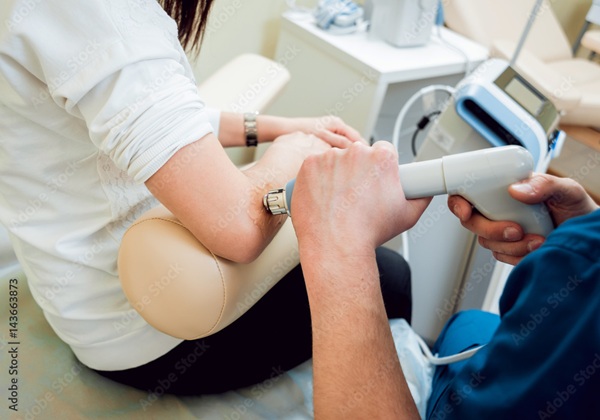
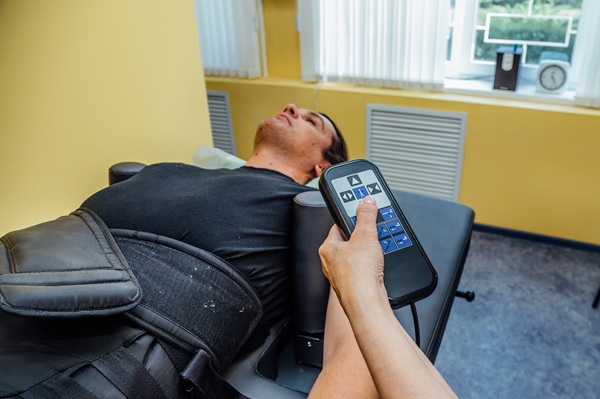
Left Hand Chiropractic Center offers spinal decompression, shockwave therapy, cold laser therapy, and dry needling, and during pregnancy these are generally not used. Decompression and shockwave are not appropriate during pregnancy, and cold laser and dry needling are restricted or avoided depending on the region and your stage. They may become options during postpartum recovery once you have been cleared by your provider and only if your exam findings call for them.
What To Expect At Your First Pregnancy Back Pain Visit
Bring your due date, your prenatal provider details, any complications you have been told about, and any imaging or medical instructions you already have. No referral is needed to book.


Step 1: Welcome And Fit Check.
Your doctor meets you in the lobby and walks you back. The first several minutes are a conversation to confirm we are the right clinic for what you need. If we are not, you leave with the contact information for who you should see instead.


Step 2: History And Screening.
You describe when the pain started, how it behaves through the day, what makes it better or worse, and what has become difficult. We screen for the urgent symptoms that belong with your OB or midwife first.


Step 3: Examination.
If we are confident we can help, we move into an exam in the same room and you stay fully dressed. Testing is adapted to your stage and your tolerance.


Step 4: Findings And Recommendations.
We explain what we found in plain language, whether conservative care is appropriate, and what the plan looks like. If an adjustment is appropriate that day, we can adjust you face up or face down using a gentle approach.


Step 5: Home Plan And Scheduling.
You leave with positioning changes and a short home program, and our team helps schedule your next visit so you know exactly what happens next.
What Patients Say About Care During Pregnancy


Related Services For Pregnancy And Postpartum Recovery
Most pregnancy care at the clinic is gentle manual care, movement, and a home plan. Additional services are considered only when the examination supports them and, in several cases, only after delivery and provider clearance.


Pregnancy Back Pain Care For Longmont And Surrounding Communities
Left Hand Chiropractic Center has served Longmont since 2010 and regularly sees patients from Firestone, Frederick, Niwot, Gunbarrel, Hygiene, Lyons, Mead, Boulder, and the surrounding communities.
Meet The Team Supporting Your Pregnancy Care

Dr. Christine Illman, DC | Chiropractor & Co-Owner
Dr. Christine is known for her focused, supportive care for pregnancy, postpartum, and pediatric chiropractic, with advanced training that helps moms and kids feel more comfortable and more confident in their bodies. She is Webster Technique certified and has completed additional pediatric and prenatal training through the International Chiropractic Pediatric Association (ICPA). Dr. Christine also specializes in working with neck pain, headaches, and migraines, and brings a calm, capable energy to every visit

Dr. Drew Illman, DC | Chiropractor & Co-Owner
Dr. Drew blends traditional chiropractic with a whole-body approach that supports both performance and long-term health. He works closely with athletes of all levels, including professional cyclists and world champions, and he is widely known for his expertise in Endonasal Balloon Therapy, supported by ongoing learning and collaboration with global practitioners. He also integrates functional medicine thinking when appropriate, aiming to understand root causes and support stronger systems, not just short-term symptom relief.

Dr. Pat Larabee, DC | Chiropractor
Dr. Patrick Larabee brings over 30 years of experience in chiropractic care and more than two decades as a Professor of Anatomy & Physiology. His career has been deeply rooted in health, fitness, and human performance—first as an athlete and coach, and later as a trusted mentor to patient athletes of all ages and levels. Dr. Larabee has played a key role in helping patients and athletes build strong foundations for pain free movement and life. His approach blends deep anatomical & physiological knowledge with real-world chiropractic & athletic experience. A USA Cycling Level 1 Coach and two-time Masters National Track Cycling Champion, Dr. Larabee has competed across a wide range of sports including volleyball, track and field, powerlifting, bodybuilding, and cycling. He continues to compete at the national and world level in track cycling, bringing current, high-performance insight to every patient & athlete he works with.

Renee | Office Manager
I love being part of a practice that looks at the whole person—not just a symptom. I believe caring for the body and mind together can make such a meaningful difference in how we feel and live each day. With an extended background in surgical coordination and healthcare office management, I’ve always enjoyed working closely with patients and helping create an experience where they feel comfortable, welcomed, and genuinely cared for. Building relationships with our patients is one of my favorite parts of what I do. I’m grateful to be part of a team that is passionate about helping people feel their best, and I look forward to welcoming you to our office!

Erin | Front Desk Administrator
Erin manages the front desk at the clinic and is often the first friendly face you will be greeted by. She oversees the schedule, answers phone calls and emails, and ensures our clients are taken care of. With a Bachelor's degree in Human Environmental Science and a minor in Food and Nutrition, Erin has spent the last 10 years working in the fitness and health industry. Aside from her front desk duties, she will be assisting patients with their rehab exercises to help them get the most out of their treatments. Her passion lies in health and wellness and she believes that caring for the body is one of the best investments people can make for their overall quality of life.

Doza | Director of Pawsitive Vibes
Meet our mini Goldendoodle, Doza. Hypoallergenic and endlessly friendly, Doza helps patients feel at ease with her calm presence, happy greetings, and impeccable listening skills.
Sources And Clinical References
These references support the page description of pregnancy-related low back pain, the conservative care options described, safety context for manual care during pregnancy, and activity guidance. Clinical decisions remain specific to the patient, the pregnancy, and the examination findings.
- Liddle SD, Pennick V. Interventions for preventing and treating low-back and pelvic pain during pregnancy. Cochrane Database of Systematic Reviews, 2015. Supports: Conservative care context, including evidence that manual therapy and multi-modal care combining manual therapy, exercise, and education may reduce pain and disability.
- Weis CA, Stuber K, Murnaghan K, Wynd S. Adverse events from spinal manipulations in the pregnant and postpartum periods: a systematic review and update. Journal of the Canadian Chiropractic Association, 2021. Supports: Safety context for manual care during pregnancy and postpartum, and the rationale for screening and technique selection.
- American College of Obstetricians and Gynecologists. Physical Activity and Exercise During Pregnancy and the Postpartum Period. Committee Opinion No. 804, 2020. Supports: General guidance that regular moderate activity is appropriate for most uncomplicated pregnancies.
- Lisi AJ. Chiropractic spinal manipulation for low back pain of pregnancy: a retrospective case series. Journal of Midwifery and Women’s Health, 2006. Supports: Descriptive context for chiropractic management of pregnancy-related low back pain.
- Colorado Department of Regulatory Agencies, Colorado Board of Chiropractic Examiners. Practice act and scope of practice. Supports: Scope-of-practice boundaries and referral obligations for chiropractors licensed in Colorado.
Evidence limit: The Cochrane evidence was downgraded for study design limitations and for differences between interventions and outcomes across trials, and adverse event reporting in the published literature is passive and inconsistent. These sources do not establish that every pregnancy-related back pain presentation is appropriate for chiropractic care or that a specific treatment prevents persistent symptoms.
Frequently Asked Questions About Back Pain During Pregnancy
Transparency builds trust — we’re here to help you understand your care before, during, and after treatment.
Content Reviewed By: Dr. Drew Illman, DC on September 17, 2026
Chiropractic License Number: 6511 (NPI: 1033434931 )
Book A Pregnancy Back Pain Evaluation In Longmont
An evaluation can determine whether your back pain is mechanical and appropriate for gentle conservative care, or whether it belongs with your prenatal provider first. Book with Left Hand Chiropractic Center to review your history, assess your movement, and leave with a clear recommendation and a plan you can start at home.